
Seasonal Tax Preparation Tips for Georgia Businesses


Understanding Georgia Tax Deadlines
For businesses in Georgia, staying on top of tax deadlines is crucial. Each season brings its own set of requirements, and missing a deadline can lead to penalties. It's important to know the key dates and plan accordingly. In Georgia, the corporate income tax return is typically due on the 15th day of the fourth month after the end of the tax year.
Being aware of these deadlines allows businesses to prepare and file their taxes efficiently. Consider marking your calendar with reminders a few weeks in advance to avoid last-minute stress. This proactive approach ensures you have ample time to gather necessary documents and consult with your accountant if needed.

Organizing Financial Records
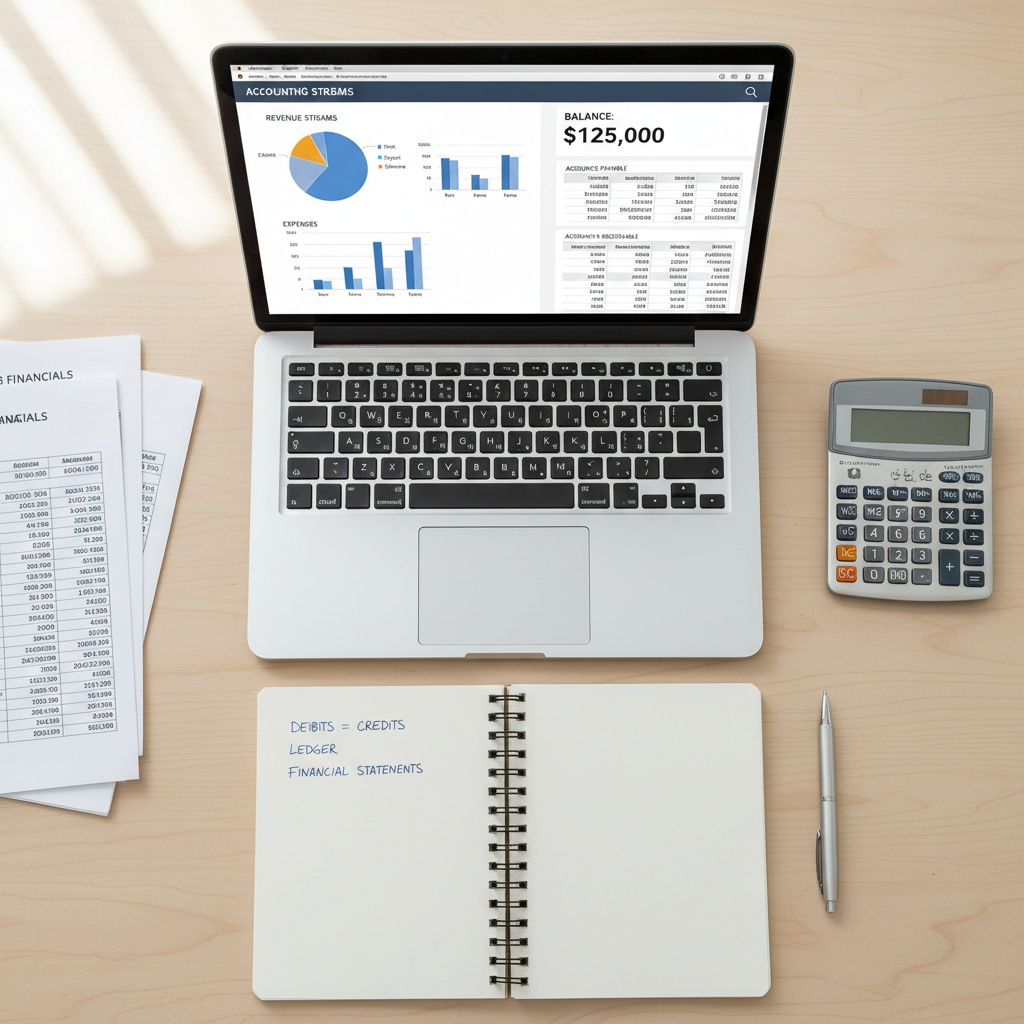
Effective tax preparation starts with organized financial records. Businesses should maintain clear and accurate records throughout the year. This includes invoices, receipts, payroll records, and any other financial documents. By keeping everything organized, you can save valuable time during tax season.
Consider using accounting software to streamline this process. These tools can help reduce errors and make it easier to track your financial activities. Additionally, ensure that all records are backed up digitally to prevent loss of important information.
Maximizing Deductions and Credits
Georgia offers several tax deductions and credits that can benefit businesses. It's essential to understand what you qualify for to maximize your savings. Common deductions include business expenses such as rent, utilities, and salaries. Additionally, Georgia provides specific credits for job creation and investment in certain industries.
Consulting with a tax professional can be beneficial in identifying all potential deductions and credits. They can offer insights into lesser-known opportunities that may apply to your business, ensuring you don't leave money on the table.

Preparing for Sales Tax Compliance
Sales tax compliance is another critical aspect for Georgia businesses. Understanding your obligations and maintaining accurate sales records is necessary. Georgia has specific rules regarding the collection and remittance of sales tax, and businesses must adhere to these regulations to avoid penalties.
Regularly review the sales tax rates and regulations, as they can change. Keeping up-to-date with these changes ensures compliance and helps maintain your business's reputation.
Leveraging Technology in Tax Preparation
Embracing technology can significantly ease the tax preparation process. From cloud-based accounting software to tax preparation apps, there are numerous tools available to help businesses manage their tax obligations efficiently. These technologies can automate repetitive tasks and provide real-time financial insights.
Investing in the right technology not only saves time but also enhances accuracy. It allows business owners to focus more on growth and less on administrative tasks.

Planning for Future Tax Seasons
Proper planning for future tax seasons can alleviate stress and improve overall efficiency. Consider conducting a post-tax season review to identify areas of improvement. This can include evaluating your record-keeping practices, assessing your tax strategy, and setting goals for the upcoming year.
By creating a comprehensive plan, businesses can navigate future tax seasons with greater confidence and ease. Continuous improvement is key to maintaining financial health and ensuring compliance.